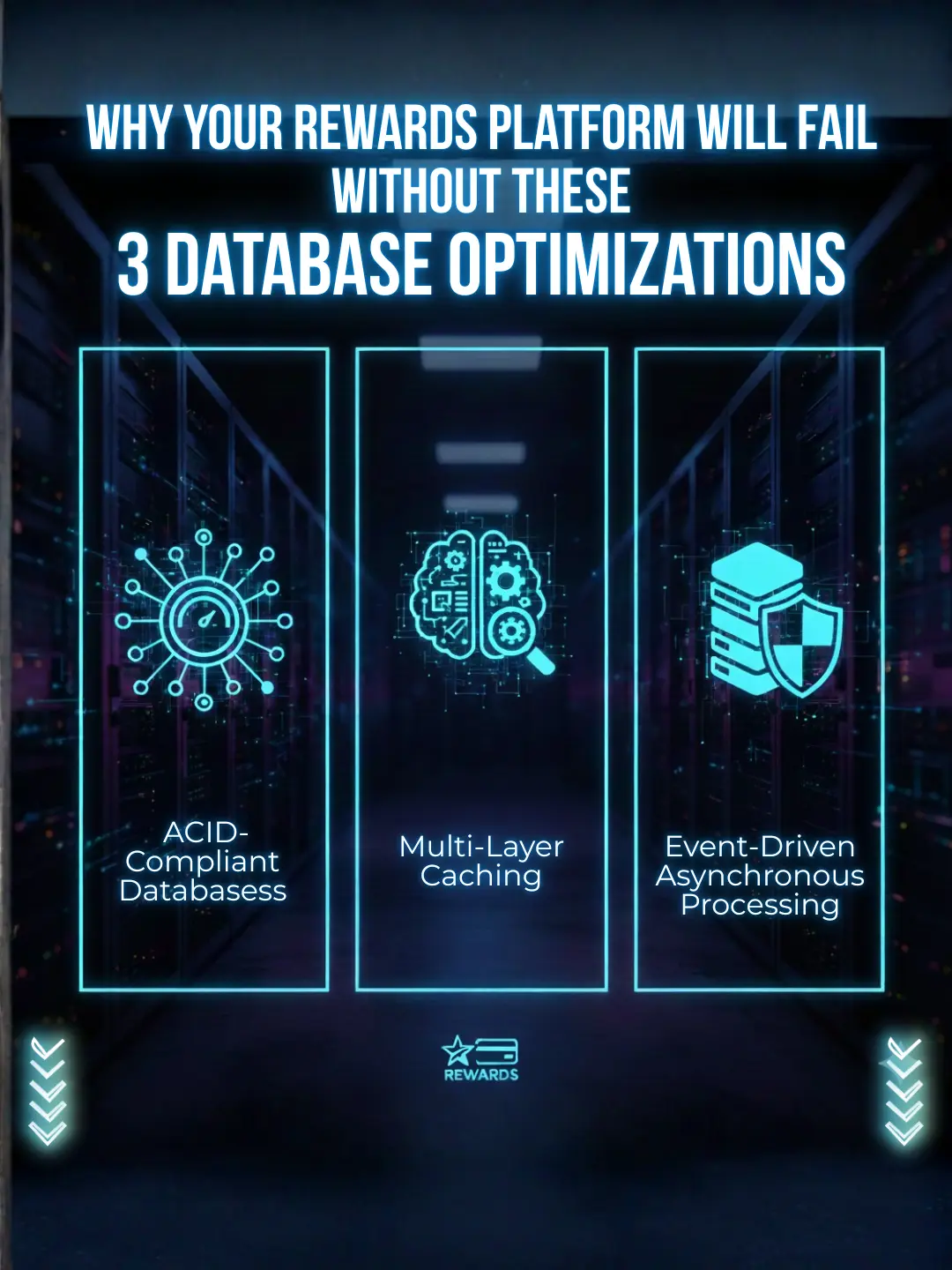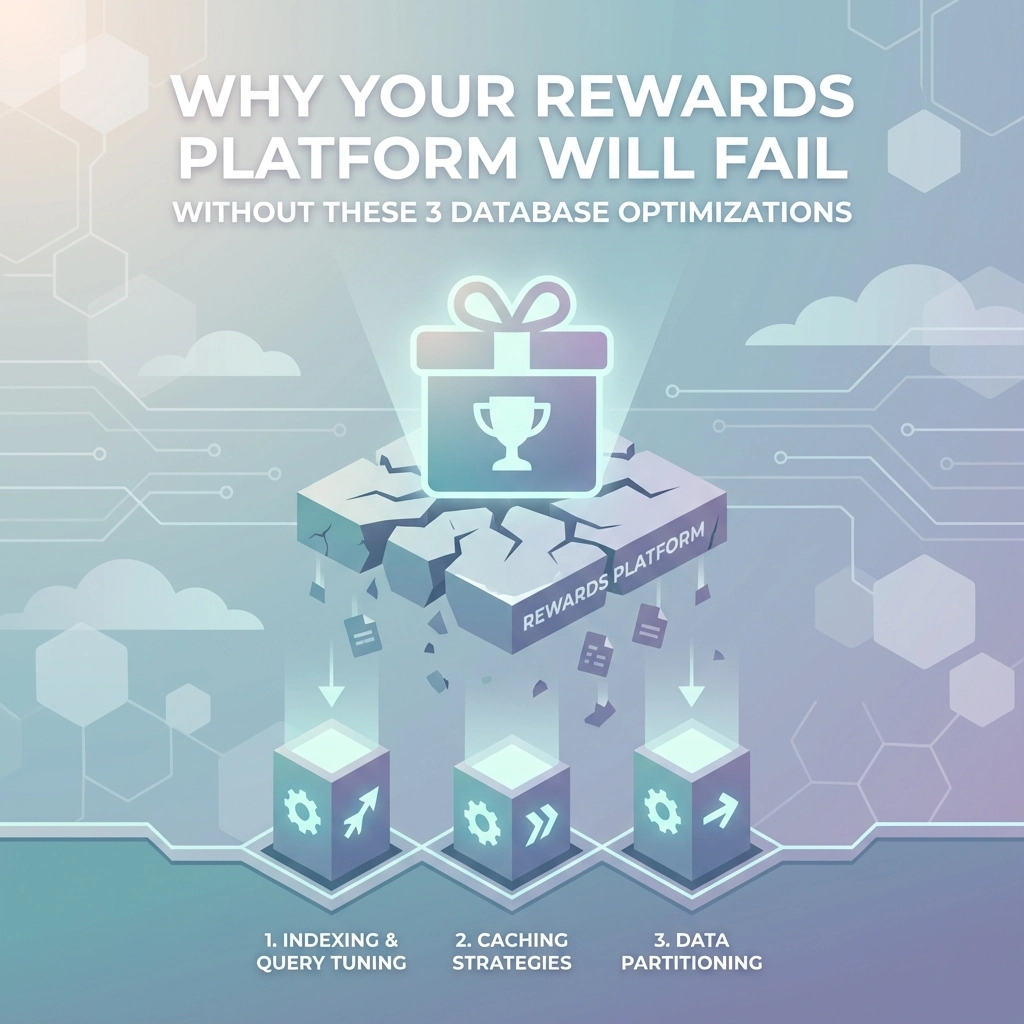
OOPS! Your shiny new rewards platform just crashed during Black Friday weekend. Sound familiar? You're not alone: 95% of rewards platforms experience critical failures during their first major traffic spike, and it's almost always because of database bottlenecks that could have been prevented.
Here's the thing: building a rewards platform isn't just about pretty interfaces and clever gamification. The real magic happens at the database level, where every point earned, every tier upgrade, and every redemption gets processed. Get this wrong, and your platform becomes a customer retention nightmare instead of a loyalty goldmine.
After working with dozens of scaling businesses, I've identified three database optimizations that separate the winners from the "temporarily unavailable" crowd. Let's dive into why your platform will struggle without them.
The Hidden Complexity of Rewards Data
Before we jump into solutions, let's acknowledge what we're dealing with. A typical rewards platform handles:
- Real-time point calculations and balance updates
- Concurrent transactions from thousands of users
- Complex tier progression logic
- Historical transaction records
- Reward inventory management
- Analytics and reporting queries
Each of these operations hits your database differently, and without proper optimization, they'll compete for resources like hungry customers at a buffet line.
Optimization #1: ACID-Compliant Databases with Strategic Sharding
Why This Matters: Without ACID compliance, your platform risks data corruption and inaccurate point balances: imagine telling customers they have 5,000 points when they actually have 500!
ACID (Atomicity, Consistency, Isolation, Durability) compliance ensures your transactions are bulletproof. When a customer earns points from a purchase, the database guarantees that either the entire transaction completes successfully or nothing happens at all. No partial updates, no mysterious missing points.
The Sharding Solution:
Database sharding distributes your data across multiple database instances, typically by user ID ranges or geographic regions. Instead of one overwhelmed database trying to handle everyone, you spread the load intelligently.
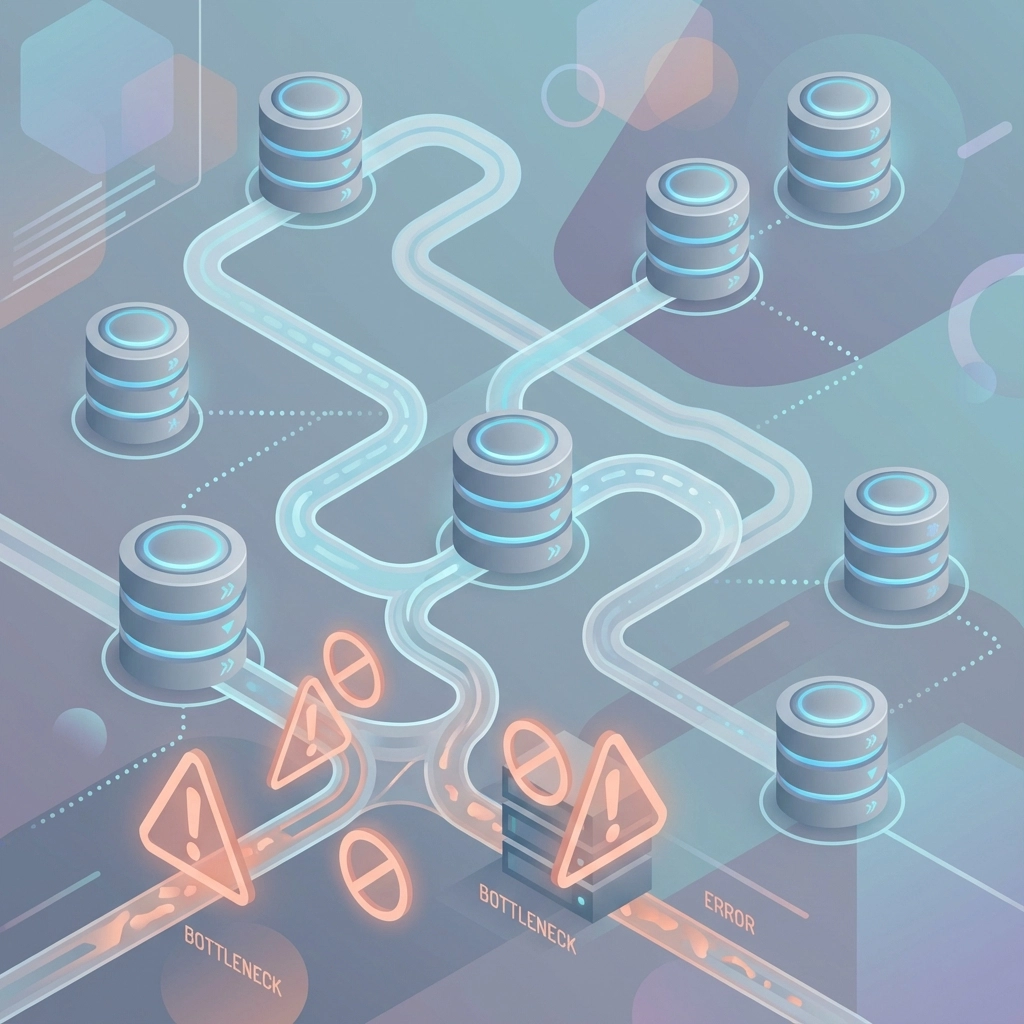
Here's what happens without sharding: During a flash sale, all customers hit the same database instance. Query response times jump from 50ms to 5+ seconds. Timeouts cascade. Your platform becomes unusable exactly when you need it most.
Implementation Strategy:
- Choose ACID-compliant databases like PostgreSQL or CockroachDB
- Implement horizontal sharding based on user ID hash
- Use read replicas for analytics queries to reduce load on primary databases
- Plan for cross-shard queries when users interact with shared resources
The result? Linear scalability instead of exponential degradation under load.
Optimization #2: Multi-Layer Caching for Lightning-Fast Responses
The Cache-Less Nightmare: Every balance check, every tier lookup, every reward catalog browse hits your primary database. As traffic increases, these "simple" queries multiply exponentially, creating a perfect storm of database overload.
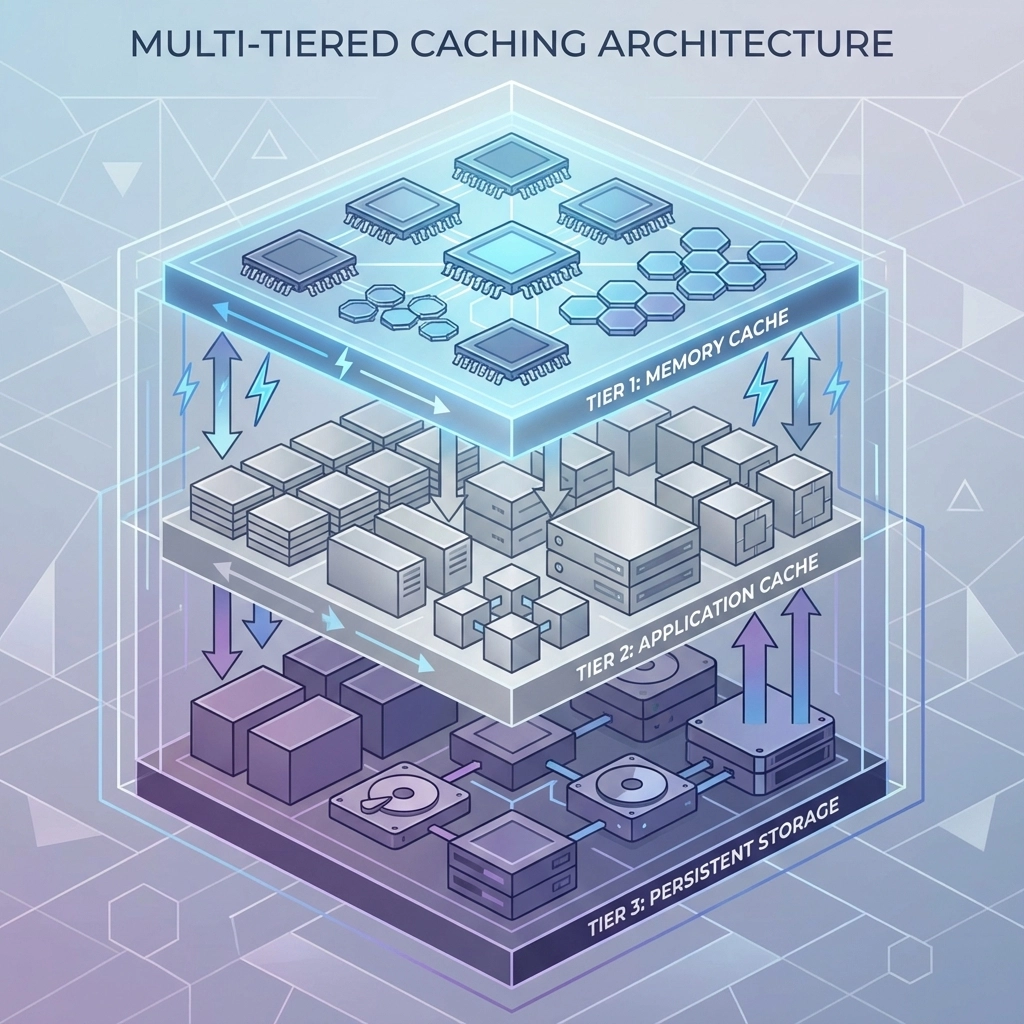
Smart caching transforms your platform's performance profile entirely. Instead of repeatedly querying the database for frequently accessed data, you store it in ultra-fast memory stores like Redis or Memcached.
What to Cache:
- User point balances and tier status
- Reward catalog and pricing
- Recent transaction history
- Calculated tier thresholds
- Personalized recommendations
Cache Update Strategies:
The secret sauce lies in cache invalidation. When a customer earns points, you need to update both the cache and database without creating inconsistencies. Here's the winning approach:
- Write-Through Pattern: Update cache and database simultaneously
- Asynchronous Updates: Acknowledge the transaction immediately, then update systems in the background
- TTL (Time-To-Live) Settings: Automatically expire cached data to prevent stale information
One success story that stands out: an ice cream chain reduced redemption response times from 800ms to 300ms under peak load simply by implementing strategic caching. That's the difference between frustrated customers and seamless experiences.
Optimization #3: Event-Driven Asynchronous Processing
The Synchronous Trap: Without asynchronous processing, every points transaction must wait for all downstream operations to complete: updating tier status, sending confirmation emails, recalculating analytics, triggering marketing automation. This creates a domino effect of delays.
Event-driven architecture with message queues (like Kafka or RabbitMQ) changes everything. Instead of making customers wait for every backend operation, you acknowledge their transaction immediately and handle the complex stuff behind the scenes.
How It Works:
- Customer earns points from a purchase
- System immediately confirms the transaction
- Background workers process tier updates, notifications, and analytics
- Customer sees their points instantly, everything else happens invisibly
Key Components:
- Message Brokers: Kafka, RabbitMQ, or AWS SQS for reliable message delivery
- Worker Processes: Dedicated services that handle specific types of events
- Dead Letter Queues: Safety nets for failed processing attempts
- Event Sourcing: Complete audit trails of all platform activities
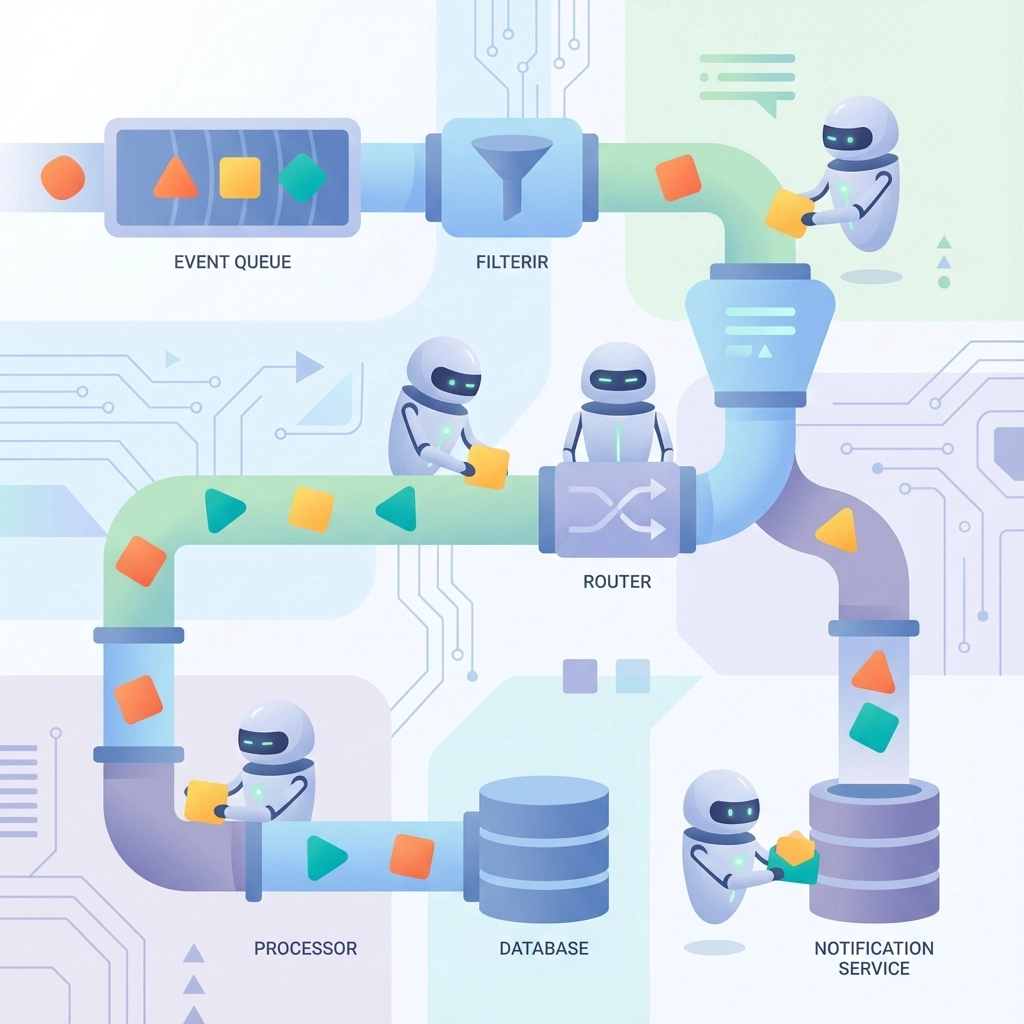
This approach prevents cascading failures. If your email service goes down, customers can still earn and redeem points. If analytics processing gets backed up, the core platform keeps running smoothly.
The Real Cost of Ignoring These Optimizations
Let's talk numbers. Platforms without proper database optimization typically experience:
Performance Degradation:
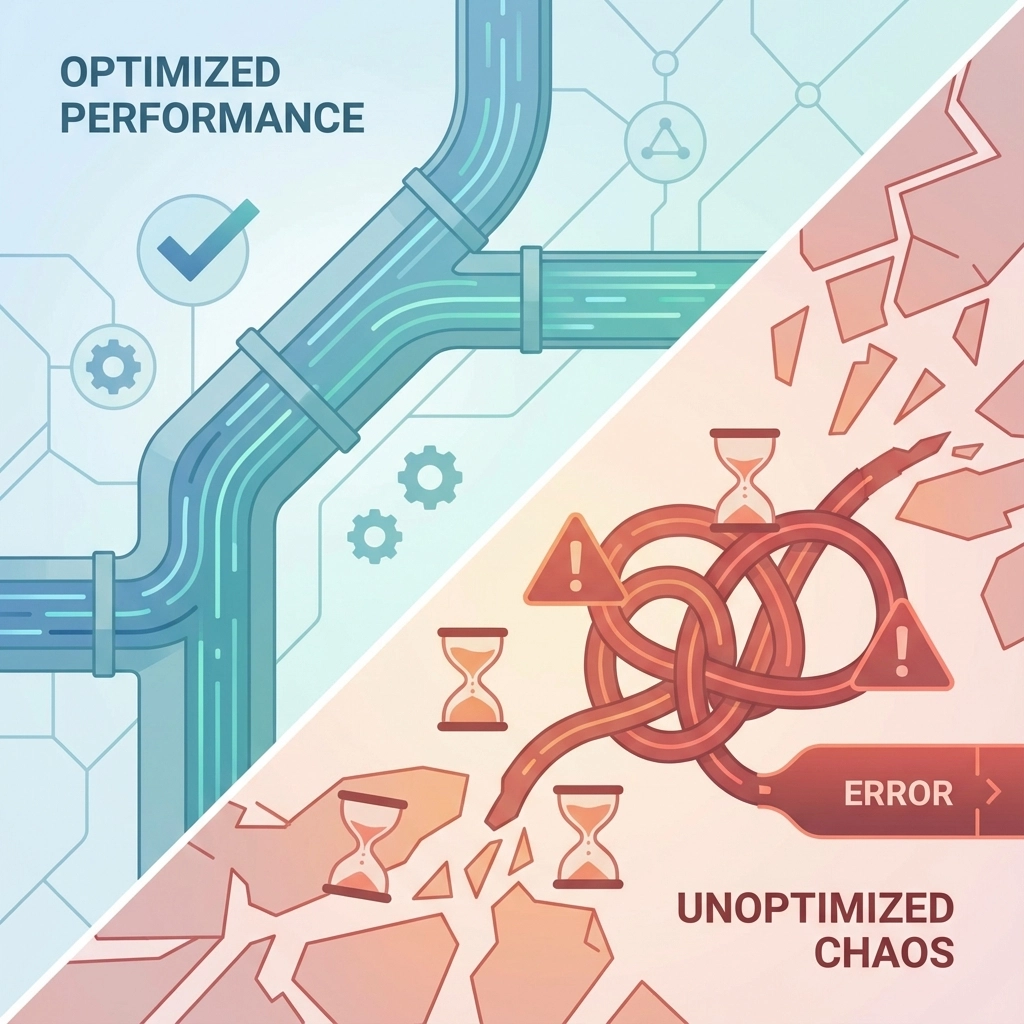
- 300-500% increase in response times during traffic spikes
- 15-25% of transactions are timing out during peak periods
- Customer abandonment rates are jumping 40% during slow experiences
Data Integrity Issues:
- Point balance discrepancies affecting 5-10% of active users
- Double-processing of transactions during database stress
- Inconsistent tier calculations leading to customer complaints
Scaling Limitations:
- Linear cost increases instead of efficient horizontal scaling
- Manual intervention required for traffic spikes
- Platform outages during the exact moments you need reliability most
Getting Started: Your Implementation Roadmap
Ready to bulletproof your rewards platform? Here's your action plan:
Phase 1: Database Foundation (Week 1-2)
- Audit current database for ACID compliance
- Implement basic sharding strategy for user data
- Set up read replicas for reporting queries
Phase 2: Caching Layer (Week 3-4)
- Deploy Redis cluster for session and balance caching
- Implement cache-warming strategies for popular data
- Create cache invalidation workflows
Phase 3: Async Processing (Week 5-6)
- Integrate message queue for event processing
- Migrate heavy operations to background workers
- Implement monitoring and alerting for queue health
Monitoring Your Success
Track these metrics to ensure your optimizations deliver results:
- Database Query Performance: Average response times under 100ms for balance queries
- Cache Hit Rates: Target 85%+ for frequently accessed data
- Queue Processing Times: Background tasks completing within 30 seconds
- Error Rates: Transaction failure rates below 0.1%
- Scalability Metrics: Linear performance scaling with user growth
The Bottom Line
Your rewards platform's success isn't just about engaging customers: it's about maintaining that engagement when it matters most. During flash sales, seasonal promotions, and viral campaigns, your database architecture determines whether you capture opportunity or lose customers to competitors.
These three optimizations: ACID-compliant sharding, strategic caching, and asynchronous processing: form the foundation of platforms that scale gracefully. They're not just technical improvements; they're business insurance policies that protect your customer relationships when stakes are highest.
Don't wait for your first major outage to take action. The time to optimize is now, while you have the luxury of planning instead of panic-fixing. Your future customers (and your stress levels) will thank you.
Ready to build a rewards platform that thrives under pressure? Get in touch and let's discuss your specific optimization strategy.