Is Your Rewards Program API Vulnerable? The Ultimate Security Guide for 2025
Discover how to protect your rewards program API from breaches and vulnerabilities with our 2025 security guide. Learn best practices, tips, and strategies to keep your customer data safe and your system secure.
The short answer? YES, and you need to act fast. If you're running a rewards program in 2025, your API is sitting in the crosshairs of increasingly sophisticated cybercriminals who view customer loyalty data as digital gold.
Here's a wake-up call: 99% of organizations reported at least one API security incident in the past 12 months. That's not a typo; we're talking about virtually every company being affected in some way. Your rewards program isn't immune, and the consequences of a breach extend far beyond just technical headaches.
The Rewards Program Target on Your Back
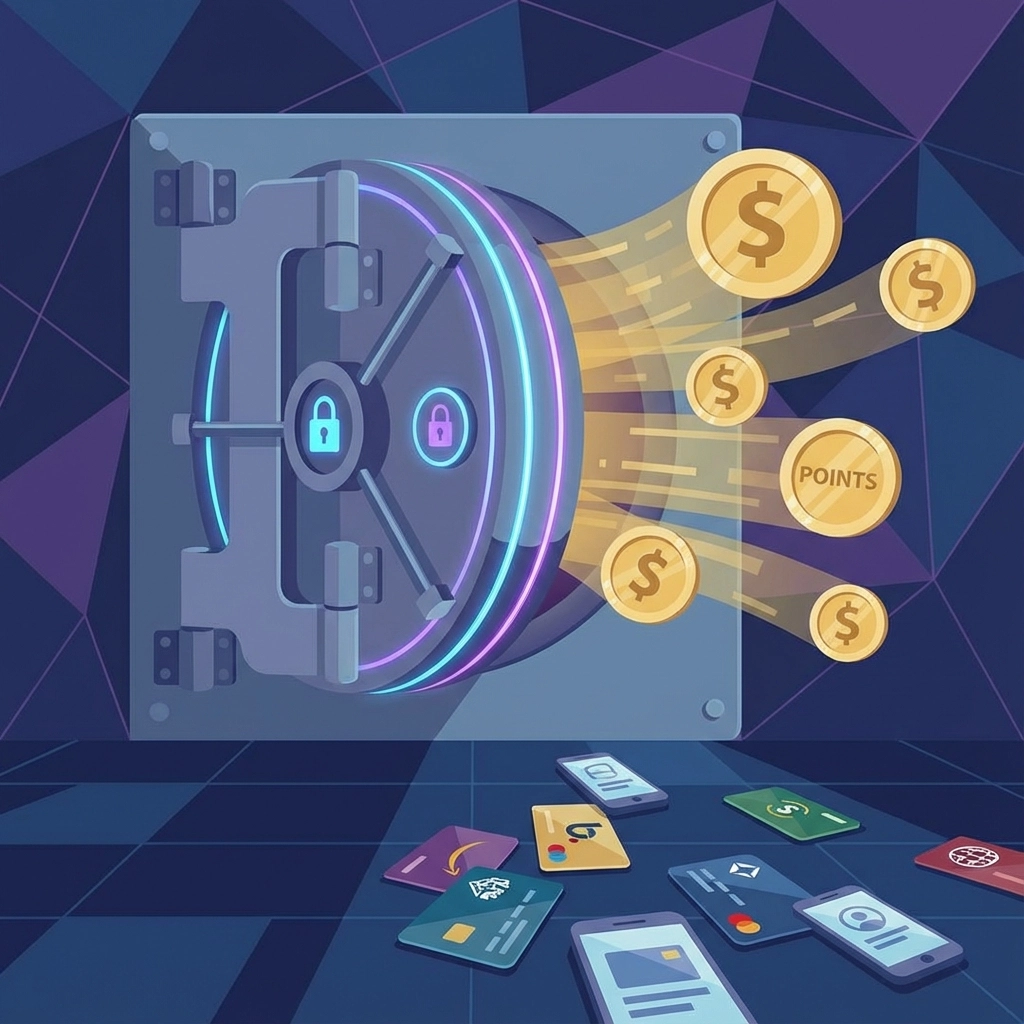
Rewards programs are particularly juicy targets for hackers, and for good reason. They're treasure troves of personal information, purchasing behavior, and often financial data. When Co-op UK's loyalty program got compromised, it affected 6.5 million members after hackers tricked an employee into resetting credentials. That's not just numbers on a screen; those are real people whose trust got shattered along with their data.
Think about what your rewards API handles daily:
Member account balances and point histories
Personal information and purchase patterns
Payment methods and redemption preferences
Location data and behavioral analytics
Each data point is valuable to cybercriminals, whether they're looking to commit identity theft, sell information on the dark web, or use your platform as a stepping stone to bigger targets.
The Three Big Problems Putting You at Risk
Discovery Gaps Are Everywhere
Here's something that might keep you up at night: many of the most dangerous vulnerabilities exist in API endpoints that companies have completely forgotten about. We're talking about old development environments that still accept requests, abandoned projects that never got properly decommissioned, and undocumented APIs that developers built for testing and never removed.
Your rewards program probably has more endpoints than you realize, and each one represents a potential entry point for attackers.
Inconsistent Access Controls
Different teams managing different parts of your rewards system often mean inconsistent security practices. Some endpoints might use robust OAuth authentication, while others rely on simple API keys that haven't been rotated in months. Some might have no authentication at all, OOPS!
This patchwork approach creates weak links that attackers love to exploit.
Expanding Attack Surface
Every time you add a new feature to your rewards program, mobile app integration, partner merchant connections, or social media sharing, you're potentially creating new attack vectors. Each endpoint handles user input, permissions, and sensitive data differently, and maintaining consistent security across all of them becomes increasingly challenging.
The Vulnerabilities Targeting Your Rewards Program
Broken Object Level Authorization (BOLA) - Public Enemy #1
This is the big one that's causing the most damage in 2025. BOLA vulnerabilities let attackers manipulate object references to access data they shouldn't be able to see. In rewards programs, this could mean:
Accessing other users' point balances
Viewing transaction histories of different accounts
Modifying redemption records
Stealing member profile information
What makes this particularly nasty is that 95% of API attacks in 2025 came from authenticated sessions. These aren't random hackers throwing stuff at the wall; they're getting legitimate access first, then moving laterally to exploit BOLA vulnerabilities.
Excessive Data Exposure
Your API might be accidentally giving away the farm. Many rewards program APIs return complete datasets without proper filtering, potentially exposing:
Full member databases when only basic info was requested
Complete transaction histories instead of summaries
Sensitive personal details in routine queries
Authentication Failures
Weak credentials, poor session management, and improper authentication implementation continue to plague rewards programs. This isn't just about passwords; it's about how your entire authentication flow works, from initial login to session timeout.
Insecure API Keys
Remember the Postman breach in December 2024? 30,000 workspaces containing live API keys and access tokens were exposed. If your rewards program relies on API keys for authentication, you need to ask yourself:
Are your keys hardcoded anywhere?
When did you last rotate them?
Do they have excessive permissions?
Building Your Defense Strategy
Implement Rock-Solid Authentication
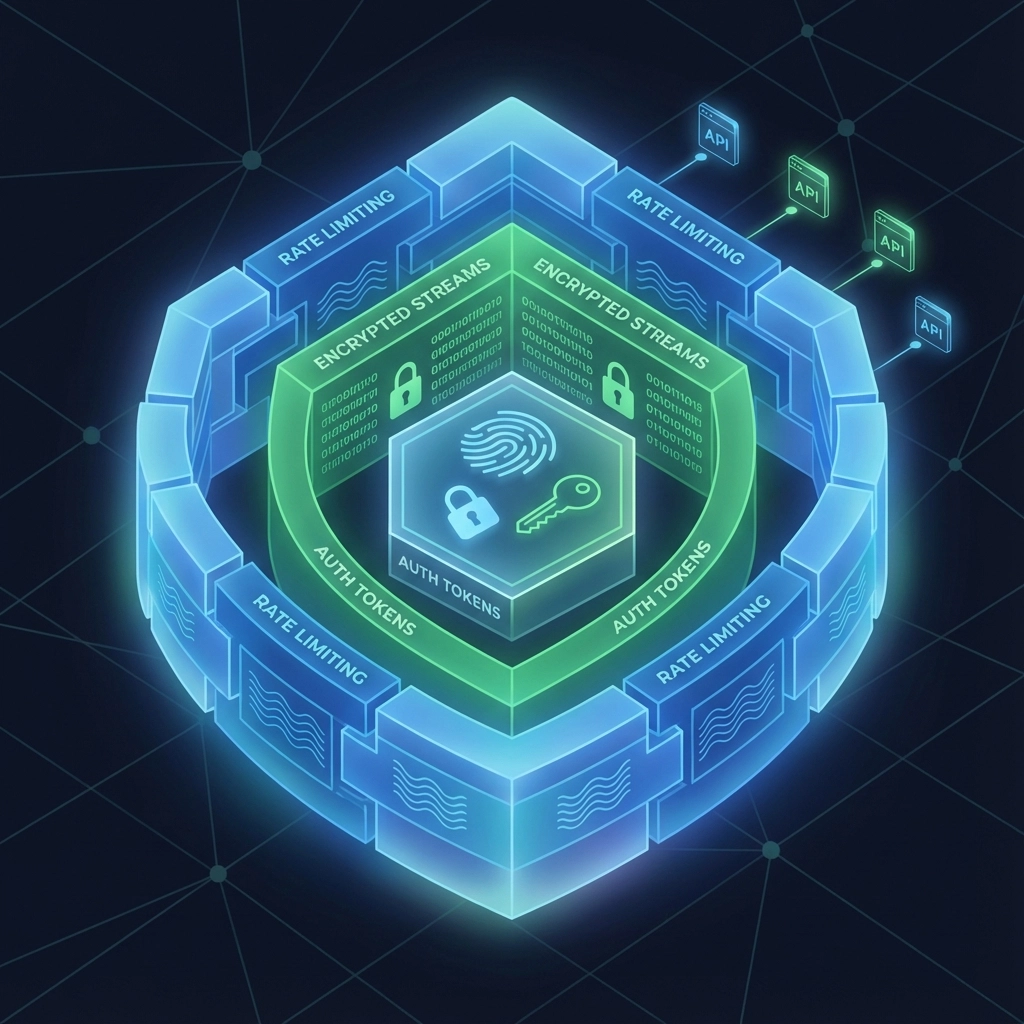
Ditch weak authentication methods and move to robust solutions like OAuth 2.0 or JWT tokens. These provide better security and more granular control over access permissions. Your members' data deserves enterprise-grade protection, not something that could be cracked by a determined teenager with too much time on their hands.
Master Input Validation
Every single endpoint in your rewards program should validate input rigorously. This means:
Sanitizing all user inputs
Implementing proper data type checking
Setting reasonable limits on request sizes
Validating data formats and ranges
Deploy Rate Limiting and Throttling
Protect your infrastructure from denial-of-service attacks and brute force attempts by implementing intelligent rate limiting. This isn't just about preventing overload; it's about detecting suspicious patterns that could indicate an ongoing attack.
Use API Gateways as Your Security Hub
API gateways provide centralized security controls, logging, and threat detection. They act as a protective barrier between your rewards program's backend and the outside world, giving you visibility into every request and response.
Embrace Regular Security Testing
Only 10% of organizations in 2025 had any API posture governance strategy. Don't be part of the 90% that's flying blind. Implement:
Regular penetration testing
Automated vulnerability scanning
Code reviews focused on security
Runtime security monitoring
Encrypt Everything in Transit
All communication with your rewards program API should use HTTPS with strong TLS configurations. This protects against eavesdropping and man-in-the-middle attacks that could compromise member data in transit.
Your Action Plan for 2025
Start by conducting a comprehensive audit of all your API endpoints. Yes, ALL of them: including the ones your development team might have forgotten about. Create an inventory that includes:
Endpoint purposes and functionality
Authentication methods used
Data types handled
Last security review dates
Next, prioritize fixing BOLA vulnerabilities since they're causing the most damage. Implement proper authorization checks that verify not just WHO is making a request, but WHETHER they should be able to access the specific resource they're requesting.
Develop incident response procedures specifically for API security breaches. When (not if) something happens, you need a clear playbook for containment, investigation, and recovery that considers the unique aspects of rewards program data.
Consider working with experienced developers who understand both API security and rewards program architecture. The complexity of modern loyalty platforms requires specialized knowledge to implement security effectively without breaking functionality.
The Bottom Line
Your rewards program API is vulnerable right now: the statistics make that clear. But vulnerability doesn't equal inevitability. With the right security measures, regular testing, and a commitment to staying current with emerging threats, you can protect your members' data and maintain their trust.
The question isn't whether you can afford to invest in API security: it's whether you can afford not to. In a world where 99% of organizations are getting hit, being part of the 1% that stays secure requires deliberate action and ongoing vigilance.
Your members trust you with their data, their loyalty, and often their money. Honor that trust by making API security a top priority in 2025 and beyond.